 Pavalos
How Botanical Supplements Are Made: Process and Standards
From Plant to Product: The Journey
Understanding the production process of botanical supplements provides crucial context for evaluating product quality and consistency. The transformation from raw botanical material to finished supplement involves multiple stages, each affecting the final product's composition, potency, and safety.
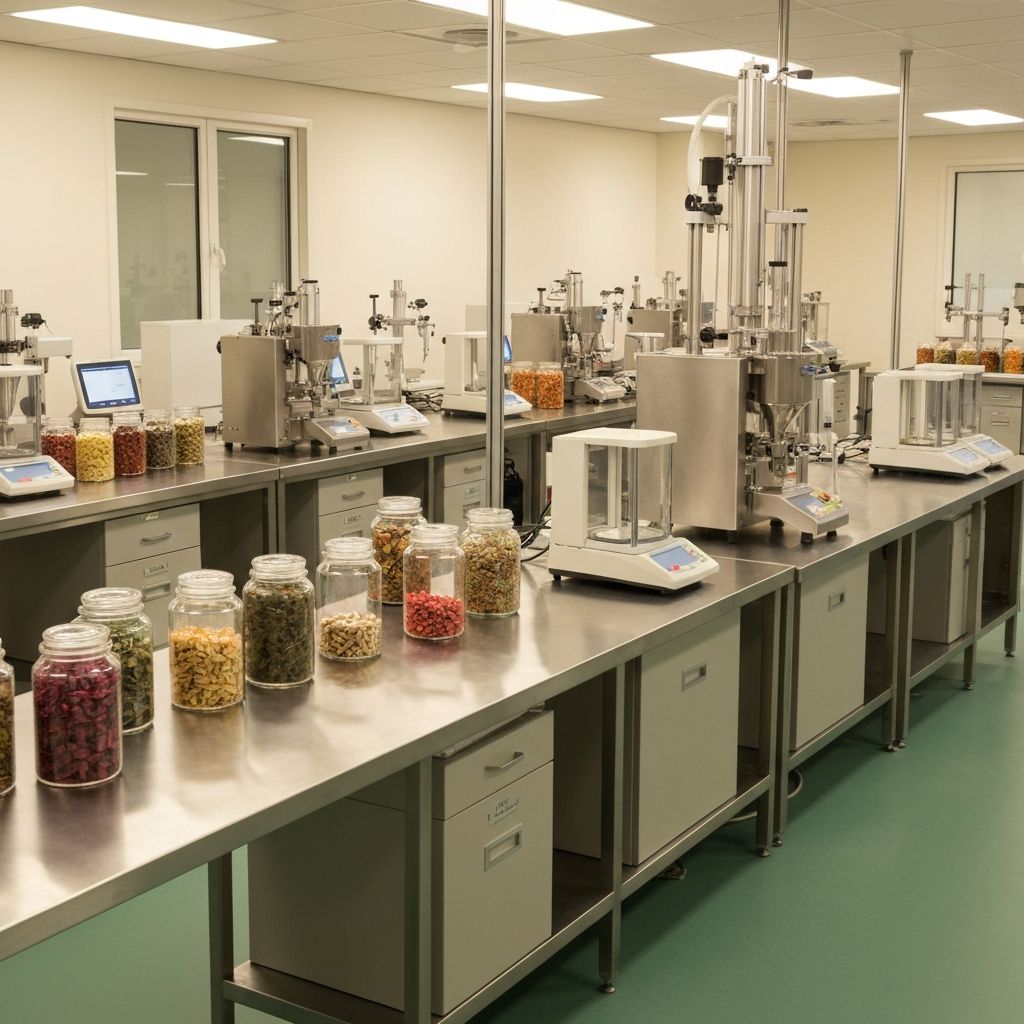
Step One: Botanical Sourcing and Identification
The first critical step involves identifying and sourcing appropriate botanical material. Manufacturers must:
- Establish relationships with growers or harvesters in botanical-appropriate geographic regions
- Verify species identity through macroscopic examination and often DNA testing to prevent adulteration
- Test raw materials for heavy metals, microbial contaminants, and pesticide residues
- Establish harvest timing to optimize the concentration of target compounds
- Implement traceability systems to track material from source to production facility
Step Two: Extraction and Processing
Raw botanical material undergoes extraction and processing to produce standardized components or whole-plant extracts:
Solvent Extraction
Plant material is treated with solvents (water, ethanol, or hexane) to selectively extract desired compounds. The choice of solvent affects which compounds are extracted and the final product profile.
Standardization
Extracts are often standardized to ensure a consistent level of specific bioactive compounds. For example, a turmeric extract might be standardized to 95% curcumin content.
Concentration
Solvents are removed through evaporation, creating concentrated extracts. The concentration ratio (e.g., 10:1) indicates the amount of raw material needed to produce the extract.
Drying Methods
Various drying techniques (spray drying, freeze drying) produce powders suitable for tablet or capsule formulation while preserving heat-sensitive compounds.
Step Three: Formulation and Combination
Botanical ingredients are often combined with other components:
- Bioavailability Enhancers: Ingredients like piperine (from black pepper) may be added to enhance absorption of certain compounds
- Complementary Botanicals: Multiple plant ingredients are combined based on traditional use patterns or complementary mechanisms
- Carriers and Fillers: Ingredients like maltodextrin or cellulose help create uniform tablet or capsule consistency
- Binders and Flow Agents: These improve manufacturing consistency and tablet integrity
- Quality Verification: Batches are tested to confirm accurate ingredient levels before proceeding to packaging
Step Four: Manufacturing Conditions
Quality supplement manufacturing follows stringent environmental and procedural standards:
- GMP Facilities: Good Manufacturing Practice (GMP) compliance requires controlled temperature, humidity, and cleanliness
- Equipment Calibration: All equipment is regularly calibrated to ensure accurate dosing and consistency
- Batch Records: Detailed documentation tracks every stage of production for traceability
- Microbial Testing: In-process testing ensures absence of harmful bacteria, fungi, or other microorganisms
- Cross-Contamination Prevention: Procedures prevent allergen or chemical cross-contamination between batches
Step Five: Quality Control and Testing
Finished products undergo comprehensive quality assurance testing:
- Potency Analysis: High-performance liquid chromatography (HPLC) confirms that active ingredients are present at declared levels
- Microbial Testing: Tests verify the absence of pathogens (E. coli, Salmonella, Listeria, etc.)
- Heavy Metal Analysis: Inductively coupled plasma mass spectrometry (ICP-MS) detects lead, cadmium, arsenic, and mercury
- Pesticide Screening: Testing ensures residue levels remain within acceptable limits
- Identity Verification: Confirms that products contain the declared botanical ingredients
- Stability Testing: Long-term studies assess product integrity under various storage conditions
Regulatory Framework and Standards
The supplement industry operates within regulatory frameworks that vary by jurisdiction:
- United States (FDA): Supplements are regulated as dietary supplements, subject to current Good Manufacturing Practice (cGMP) requirements but not pre-market approval
- European Union: Stricter pre-market authorization requirements and traditional herbal registration for certain products
- Other Jurisdictions: Requirements vary from therapeutic goods classification (Australia) to traditional medicine registration (various countries)
- Third-Party Certification: Independent testing by organizations like NSF International or USP Verified provides additional quality assurance
Variability in Supplement Quality
Despite standardization efforts, quality variation exists across the supplement market due to:
- Different extraction and processing methods producing varying compound profiles
- Inconsistent adherence to GMP standards among manufacturers
- Geographic variation in botanical material affecting starting compound levels
- Different standardization levels creating variation between products
- Storage conditions and shelf life affecting compound stability
Considerations for Consumers
Understanding manufacturing processes helps inform product selection:
- Look for third-party testing certifications from reputable organizations
- Verify that products state specific standardization levels for active compounds
- Check manufacturing country and GMP compliance status
- Review ingredient lists for transparency regarding amounts and formulation choices
- Understand that potency and form (tea, powder, extract, tablet) significantly affect dosing